

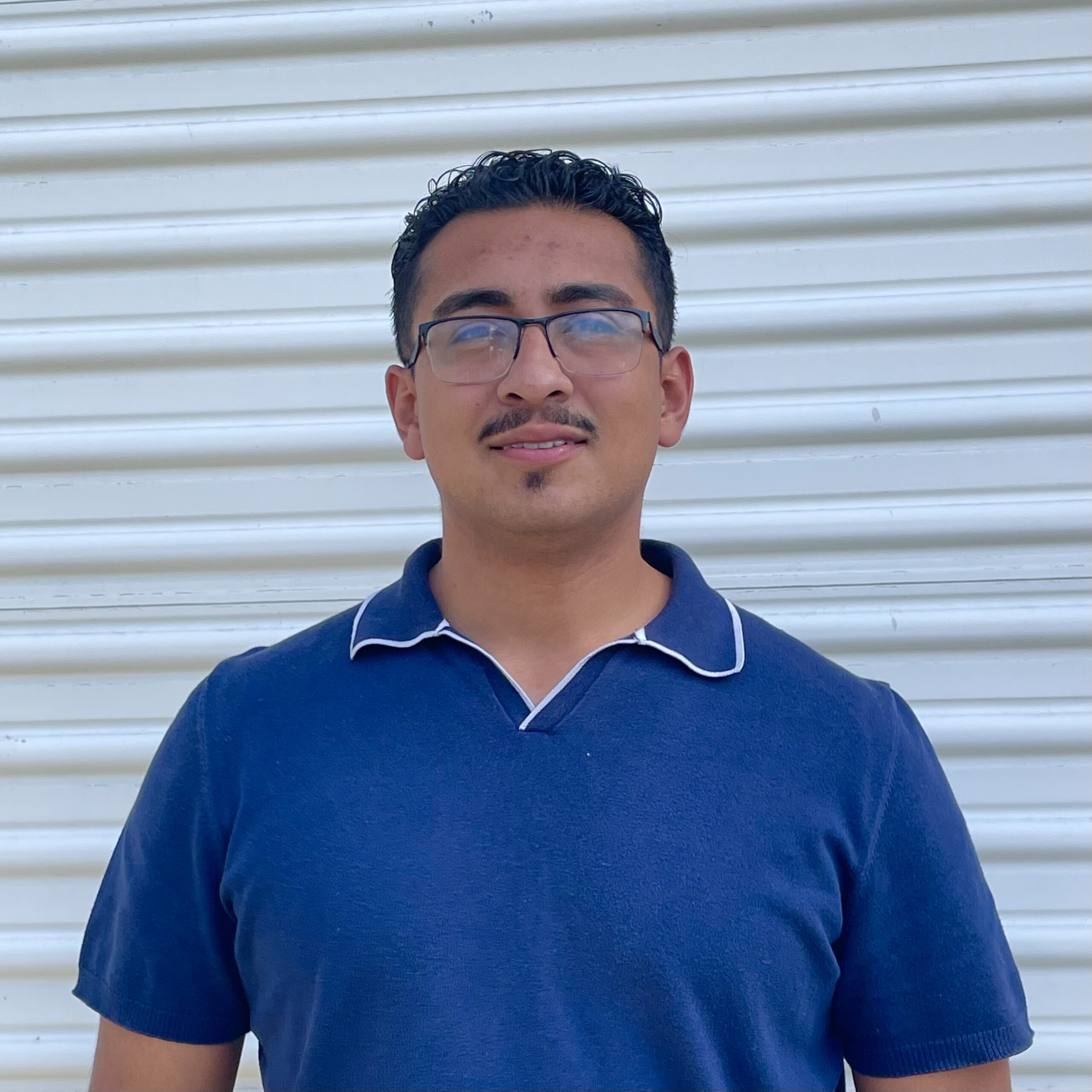
Before becoming an OSTS safety instructor, Jose Guerrero worked as a construction safety inspector, specializing in structural steel, roofing systems, and concrete work. He has now been with OSTS for two years and brings a total of seven years of safety experience to his role.
Jose’s path into safety training wasn’t something he initially planned. He began his career as a laborer with the same company, but when the need arose for a safety professional, his role unexpectedly shifted. At first, Jose had little interest in becoming “the safety guy.”
A friend who was a project manager encouraged him to apply anyway. “So I did,” Jose said, “and honestly, it turned out to be a pretty easy transition.”
Coming from the field made the move into safety feel natural. Instead of performing the physical work, Jose shifted behind the scenes—planning ahead to ensure projects ran safely and efficiently. He began focusing less on individual tasks and more on what came next: what equipment would be needed, what hazards crews might face, and how to prepare workers so jobs ran smoothly from the start.
“If you’re coming from the field, you already understand the work,” he explained. “Now you’re just thinking ahead and making sure everything is ready when the job starts.”
Jose’s connection to OSTS came through an unexpected personal link. He later realized he had gone to high school with the son of Ismael Garcia, OSTS’s safety and operations manager—though at the time, he didn’t know Ismael worked in safety. “I’d see him at family parties but never really talked to him,” Jose said.
What Jose enjoys most about teaching safety is the variety. Each class introduces him to new clients, industries, and workplace cultures. “Some companies are proactive about safety, others are more reactive,” he said. “It’s interesting to see how different organizations approach it.”
His experience as a safety inspector gives him a strong advantage as an instructor. Having observed roofers, steelworkers, and concrete crews in action, he understands job sequencing, common hazards, and what to watch for—even without performing the labor himself. “I like being behind the scenes and talking to people,” he said. “It’s pretty fun.”
Jose also sees safety as a growing field with lasting impact. “Safety is something that is just getting bigger and bigger. I don’t see it going away anytime soon,” he said. “It’s a new field, but I think that’s what makes it interesting – just seeing different ways how you can protect employees,” he said.
That mindset extends beyond the workplace into his personal life. Jose says his training has made him more aware of hazards at home and in everyday situations. “Safety is in everything,” he said. “I’m always stopping, thinking, and re-planning instead of rushing.”
Having investigated accidents and injuries in the past, Jose approaches daily life the same way—by identifying risks, understanding root causes, and planning ahead. “That way of thinking is super beneficial,” he explained.
At OSTS, Jose values the opportunity to keep learning. “They give us time to study, and new topics always come up. It keeps me sharp,” he said. His experience has expanded beyond construction into warehouse safety, aerospace, and municipal operations. “I thought I knew a lot coming from construction, but I was just scratching the surface.”
Jose strongly believes safety training improves not only workplace safety, but also company morale. Regular safety meetings show employees that leadership genuinely cares. “It opens communication,” he said. “People feel more comfortable speaking up about hazards or equipment issues.”
He has seen firsthand how a strong safety culture empowers workers to speak up without fear. “A lot of guys don’t raise concerns because they’re worried about losing work,” Jose explained. “But when safety becomes the norm, everyone looks out for one another.”
Companies that invest in safety training see benefits on multiple levels. Fewer accidents mean lower medical costs, less equipment damage, fewer shutdowns, and reduced OSHA citations. “When someone gets hurt, it’s not just about money,” Jose said. “Morale drops, production stops—compared to doing it right the first time.”
Jose also noted that many workplace injuries are preventable with proper safety training, and that the difference in culture is clear between organizations that bring OSTS in regularly and those that seek services only after an accident.
Train With Jose
Jose brings a practical, hands-on approach to workplace safety training. Explore courses he teaches and find the right training for your team.
CPR & First Aid | Bloodborne Pathogens| Heat Illness


